
Table of Contents

Jingles in Branding: How Music Elevates Your Brand

by | Apr 9, 2026 | Brand Jingle Benefits

Jingles: Branding: How Custom Brand Jingles Elevate Your Brand Identity and Drive Marketing Success.

Jingles are more than catchy tunes — they give brands a distinctive voice. Well‑crafted jingles build instant recognition, spark emotional connections, and boost recall and loyalty. When aligned with core brand values, a short melody can influence purchasing choices and shape how consumers feel about a company. Today’s jingles sit at the center of modern audio branding, combining slogans, sonic cues, and consistent messaging to engage audiences across platforms. The most effective ones are simple, relevant, and unmistakably memorable, strengthening customer engagement and a brand’s identity.

This evolution reflects a broader historical shift in

How brands think about music — from standalone tunes to integrated sonic systems

that guide creative strategy, legal practice, and commercial use.

Evolution of Jingles in Audio Branding

Over the last thirty years, the story of jingles can be told in three phases: the traditional “jingle” era that tapered off in the early 1990s; the “creative underscore” period that dominated the late 1990s and early 2000s; and the rise of “licensing and library music” from the early 2000s onward, which reshaped how brands source and protect audio. These shifts reflect changes in labor, technology, and creative practice across the industry.

Amplifying value: Labor, technology, and creativity in the Jingle industry, 2024

Why are theEnglish essential for Modern Brand Identity?

Jingles matter because they make a brand instantly recognizable and emotionally resonant. A tailored jingle helps you stand apart from competitors, encapsulates your values in a few memorable notes, and strengthens long‑term loyalty. Used consistently across channels, a well‑designed jingle improves recall, clarifies your message, and gives consumers a reason to remember—and prefer—your brand.

How Do Jithe ngles Enhance Brand Recognition and Recall?

Jingles function as sonic shortcuts: short melodies or hooks that anchor a brand in memory. Research consistently shows that music helps with retention, though specific claims—such as 95% tune retention after one hearing—are often exaggerated. What is clear is that melodies associated with positive feelings deepen memory and make a brand easier to recall. Distinctive jingles cut through noise, helping consumers spot your brand more quickly in crowded markets.

What Emotional Connections Do Music and Jingles Create with Consumers?

Music and jingles tap into emotion by activating brain regions linked to pleasure and attention. While extreme emotions like fear are rare in brand jingles, positive responses—joy, nostalgia, comfort—are common and useful for building brand loyalty. When a tune consistently accompanies your messaging, it creates associations between sound and brand identity that shape how customers feel about and remember your products.

What is the process of creating a Custom Brand Jingle?

The creation of a custom brand jingle follows a clear, collaborative process:

  • Understanding Brand Identity: Pin down the brand's personality, values, and the message the jingle must carry.
  • Crafting Melodies: Compose hooks and motifs that are catchy, emotionally aligned, and tuned to your target audience.
  • Incorporating Sonic Branding Elements: Add signature rhythms, voice tones, and sound design that complement the brand's visual identity.
  • Testing and Refining: Gather feedback from target demographics and iterate until the piece hits the intended emotional and memorability targets.
  • Integration Across Platforms: Ready the jingle in formats and lengths for radio, TV, social, podcasts, and other channels for consistent deployment.

Following these steps builds recognition, strengthens emotional ties, and helps convert listeners into loyal customers.

How Does Cary Reich’s Jingle Writing Approach Ensure Unique Brand Sound?

Cary Reich combines strategic brief work with musical craft to produce distinctive brand sounds. He starts by translating brand attributes into musical choices—melody, tempo, instrumentation, and lyric tone—so the final jingle feels authentic to the target audience. By using consistent sonic themes across channels, his approach improves recognition and keeps the brand feeling cohesive and memorable.

What are the Ownership and Licensing Options for Custom Jingles?

The typical ownership and licensing models include:

  • Ownership: Full rights transfer so a business controls use without recurring fees—ideal for long‑running products and campaigns.
  • Licensing: Time‑ or territory‑limited permissions that let others use the jingle, creating a revenue stream for the creator while keeping defined conditions.
  • Flexible Usage Rights: Hybrid agreements that balance budget, campaign needs, and future reuse—useful when brands want to scale without a full upfront purchase.

Registering the jingle with copyright authorities and keeping clear documentation of authorship and terms is recommended to protect rights and avoid disputes.

How Do Jithe ngles Impact Marketing ROI and Brand Performance?
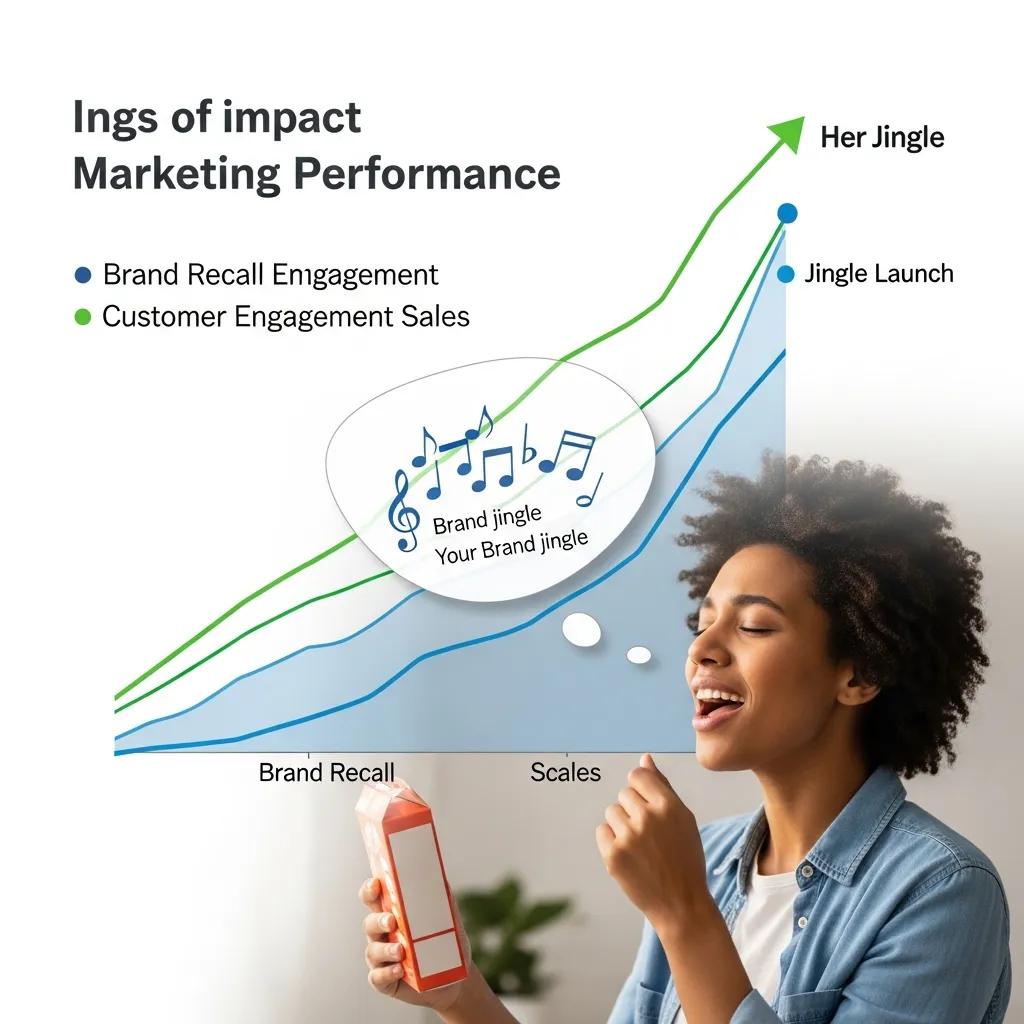
Jingles influence marketing ROI by strengthening brand recognition and forging emotional ties that encourage repeat business. Melodic hooks speed memory encoding, making ads more effective over time. While headline figures (for example, claims of a 96% recall boost) vary by study and context, the consistent outcome across research is that purposefully used jingles increase visibility and consumer engagement, which often translates into better campaign performance.

Which Metrics Measure the Effectiveness of Musical Branding?

  • Memorability — How easily the audience remembers the hook and associates it with the brand.
  • Impact on Emotions — The degree to which the music evokes feelings that support the brand promise.
  • Brand Recognition — How reliably listeners identify the brand after hearing the jingle.
  • Customer Loyalty — Whether the sonic identity strengthens repeat purchase and advocacy.
  • Versatility — How well the jingle adapts to different formats and platforms while retaining impact.

These measures are commonly applied in mixed‑method studies that combine surveys, behavioral data, and demographic analysis

to assess audio quality, message fit, and audience response

especially among younger cohorts who consume media across many channels.

Commercial Jingles: Brand Awareness & Customer Attitudes

For example, Shopee used a targeted COD commercial jingle to strengthen brand awareness and engage users. Research examining Generation Z’s response to that jingle applied a five‑dimension evaluation model—memorability, meaningfulness, likability, adaptability, and protectability—alongside the ABC Model of Attitudes (affective, behavioral, cognitive) to explore how jingle quality shapes customer attitudes.

The Impact Of The E-Commerce Commercial Jingle On Customer Attitude Among Generation Z Audiences, R Ramadhan, 2025

Can Case Studies Demonstrate the Success of Iconic Brand Jingles?

Absolutely. Case studies from brands like McDonald’s, Kit Kat, and Toys R Us show how simple, well‑placed jingles can build emotional bonds, boost recognition, and reinforce loyalty. Similarly, sonic logos from Coca‑Cola and Intel demonstrate how short audio signatures can create strong product recall and emotional affinity when used strategically.

Why choose their Custom Jingles Over Stock Music for Audio Branding Solutions?

Custom jingles outperform stock tracks because they’re written to reflect your specific brand, message, and usage needs. You gain control over lyrics, timing, and rights—and a sound that’s unique to you. Stock music can be convenient, but it rarely delivers the same level of emotional fit or exclusive recognition as bespoke compositions.

What are the Benefits of Tailored Music for Brand Identity?

  • Distinct Brand Differentiation: A bespoke tune helps you stand out.
  • Enhanced Consumer Experience: Music that matches brand character deepens the customer experience.
  • Emotional Connection: Custom scores build genuine bonds that encourage loyalty.
  • Sentimental Responses: The right melody can trigger nostalgia and strong brand associations.
  • Improved Recall and Engagement: Signature sounds make the brand easier to remember and engage with.
  • Sensory Experience: Tailored compositions create a recognizable audio landscape for your brand.
  • Strategic Marketing Tool: Custom jingles are adaptable across campaigns and channels, shaping perception over time.

In short, tailored music strengthens identity and supports long‑term customer relationships.

How Does the Custom Music Avoid Generic Sound and Enhance Brand Uniqueness?

Custom music starts with a discovery brief that defines personality, benefits, audience, and emotional objectives. Composers use that brief to choose tempo, key, instrumentation, and vocal style that align with the brand. The result is a bespoke jingle—built from the ground up—that gives brands control over duration, lyrics, and usage rights, while avoiding the generic feel of licensed stock tracks.

How Can Businesses Integrate Jingles Across Marketing Channels?

  • Using Jingles in Various Media: Deploy jingles as standalone audio for radio or layer them under video for TV, digital, and social ads.
  • Consistent Branding: Repeat the sonic identity across touchpoints to reinforce recognition.
  • Tailoring to Marketing Objectives: Adapt the arrangements and lengths to align with campaign goals and platform norms.
  • Employing Professional Production: High production values improve clarity and memorability.
  • Creating a Sonic Identity: Use leitmotifs and variations to build a cohesive auditory signature that fosters community and loyalty.

What Are the Effective Uses of Jingles in Radio, TV, and Digital Advertising?

  • Emotional Connection: Jingles form emotional bridges to listeners through simple, memorable hooks.
  • Increased Recall: Music helps people remember brands more than ad copy alone.
  • Repetition: Strategic repetition embeds brand messages in consumer memory.
  • Market Penetration: Memorable jingles can reach broad audiences and reinforce presence.
  • Attractiveness: Good melodies make ads more appealing and shareable.
  • Brand Positioning: A distinctive jingle supports clear market positioning.
  • Cross-Platform Reach: Jingles link audio, text, and visual elements to boost overall awareness.

How Do Jithe ngles Enhance Brand Touchpoints Like Social Media and Podcasts?

On social and in podcasts, jingles become shorthand for your brand. Short, catchy motifs improve recall, make clips more shareable, and provide consistent sonic cues across formats. When a tune resonates, it can amplify visibility and engagement—often at a lower cost than many visual campaigns—while strengthening the brand’s sonic footprint.

What Are the Industry-Specific Applications of Jingles in Branding?

  • Product Launches: Jingles create memorable audio cues for new products and help build immediate recognition.
  • Brand Identity: Melodies and lyrics encode product personality in a form consumers can easily recall.
  • Emotional Engagement: Sound triggers memories and feelings that encourage repeat business.
  • Advertising Clutter: Distinctive audio cuts through clutter and speeds identification.
  • Cross-Platform Adaptability: Jingles can be adapted for different channels while preserving the core identity.
  • Cost-Effective Marketing: A well‑placed tune can deliver long‑lasting impact without constant spend.

How Do Real Estate and Retail Brands Benefit from Custom Jingles?

Real estate and retail brands use custom jingles to signal key benefits, highlight product attributes, and increase ad engagement. A tailored jingle supports consistent messaging during launches and promotions, helps shape consumer perception, and improves recall—crucial advantages in highly competitive, repeat‑purchase categories.

What Role Do Jingles Play for Service Businesses and Local Brands?

Service businesses and local brands gain visibility and personality through jingles. A memorable tune helps small businesses stand out, reinforces local recall, and builds emotional familiarity that encourages community loyalty. When used consistently, jingles can be a powerful, low‑cost tool for differentiation.

Frequently Asked Questions

What are the key elements of an effective jingle?

An effective jingle combines simplicity, a strong hook, and clear relevance to the brand. The melody should be easy to hum, the lyrics should reflect the brand’s promise, and the arrangement must translate well across platforms. Adaptability and emotional fit are equally important to ensure the jingle works in real campaign settings.

How can businesses measure the success of their jingles?

Measure jingles using a mix of qualitative and quantitative metrics: recall and recognition tests, brand lift studies, sales and conversion tracking, focus groups, and social engagement analytics. Taken together, these show whether the jingle is memorable, emotionally impactful, and driving business outcomes.

What are some common mistakes to avoid when creating a jingle?

Avoid overcomplicating the melody or message, straying from brand identity, and skipping audience testing. Don’t rely solely on trends—ensure the tune fits your long‑term strategy. Finally, clarify rights and usage up front to prevent legal and reuse issues later.

How do cultural differences impact jingle effectiveness?

Cultural context matters: rhythms, instruments, and lyrical themes resonate differently across regions and demographics. Local research and culturally informed adaptations increase relevance and reduce the risk of misinterpretation. Tailoring—rather than translating—is usually the safer, more effective approach.

What role do jingles play in digital marketing strategies?

In digital campaigns, jingles act as sonic anchors that increase recognition across short‑form video, podcasts, and social channels. They boost shareability, make ads instantly identifiable, and help build a cohesive audio identity that supports broader marketing goals.

Can jingles be adapted for different marketing campaigns?

Yes. Jingles can be rearranged, shortened, or re‑voiced for seasonal promotions, platform formats, or new product lines while keeping the core hook intact. This flexibility lets brands keep their sonic identity fresh without losing the recognition they’ve built.

Conclusion

Custom jingles are a strategic way to give your brand a memorable voice. They create emotional connections, improve recall, and deliver consistent recognition across channels—helping to drive engagement and long‑term loyalty. Investing in tailored sonic branding positions your business to stand out in noisy markets. Discover how our expert jingle creation services can help you craft a signature sound that elevates your brand.