Jingles vs Theme Music: Which Works for Your Brand Anthem?
Unpack the debate between jingles and theme music for your brand anthem. Learn how to choose the right signature sound that resonates with your audience.
CR
Cary Reich· The Jingle Writer
Jingle composer since 1985·Updated October 5, 2026·16 min read·✔ Written & produced in-house
Jingles vs. Theme Music: How to Choose the Right Audio Identity for Your Brand
Jingles and theme music both shape how people hear your brand, but they do it in different ways. A jingle is built for quick recall and name recognition; theme music is made to deepen feeling and narrative over time. This article defines each asset, explains how they work, and offers practical guidance for picking the right sound based on your marketing goals, channels, and budget. You’ll learn what makes a jingle effective, how theme music creates long-term emotional ties, the key differences in length, purpose, and licensing, and how to use both inside a unified sonic system. Along the way, we include comparison charts, actionable checklists, and a decision framework to help marketing leaders choose the best audio approach. Finally, we outline how Cary Reich, The Jingle Writer, translates strategy into custom audio and how to schedule a free consultation to explore options.
What Is a Jingle? Defining Catchy Brand Audio for Instant Recall
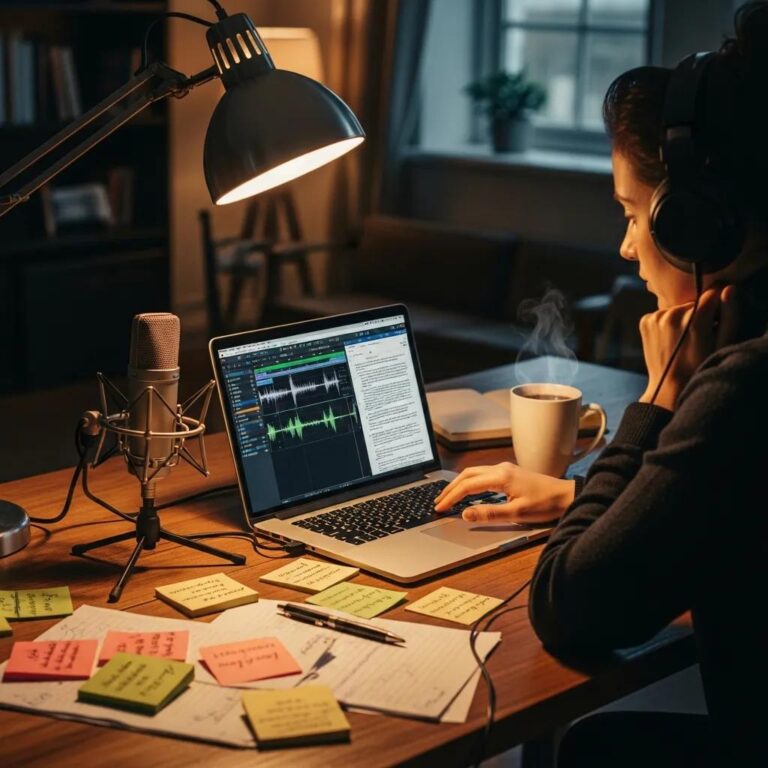
A jingle is a short, intentional musical piece—usually 15 to 60 seconds—designed to lock a brand name or tagline into listeners’ heads through a memorable melody and a clear lyrical hook. The secret is repetition plus a strong melodic motif that speeds memory encoding and creates an “earworm” tied to the brand. Jingles are ideal for awareness pushes and short-form ads because they compress brand cues into repeatable audio moments that stick after minimal exposure. Marketers use jingles when fast name recognition, immediate response, or tight ad formats are the priorities, often pairing them with simple visuals to strengthen multisensory recall.
Jingles perform best in radio and TV spots, social shorts, and podcast ads—places where brief attention windows mean one distinctive sound can drive action. Their brevity demands creative economy: a hook, a memorable melody, and a lyrical mention of the brand must all land quickly. That compact format also makes jingles easy to repurpose across channels as trimmed stems or audio logos. After deciding they need a bespoke hook, many teams turn to a professional—Cary Reich, The Jingle Writer, creates custom jingles and offers a free consultation to discuss creative direction and licensing.
What Are the Key Characteristics of Effective Jingles?
Strong jingles pair a simple, singable melodic hook with lyrical clarity and production choices suited to the target medium. Musically, a tight motif and predictable cadence boost stickiness, while lyrics that name the brand or state a clear tagline anchor meaning. Instrumentation and vocal tone should reflect the brand personality—bright and pop-forward for consumer goods, warm and reassuring for services—so the sound aligns with positioning. Production must cut through platform compression and ad breaks, so mixes are mastered for broadcast and digital playback.
Plan stems and alternate mixes for fast edits and A/B tests, enabling experimentation without full re-records. Choose vocalists whose accent, age, and delivery match your audience to increase relatability. These creative and technical choices lead naturally into how you measure a jingle’s impact.
How Do Jingles Enhance Brand Recognition and Advertising Impact?
Jingles boost recognition by tapping auditory memory: melodic hooks and repeated phrases act as strong retrieval cues that raise recall in brand-lift studies and prompted-recognition tests. Music helps encoding by connecting emotional and semantic networks, so even partially attentive listeners can register the cue. Measure jingle performance with brand lift surveys, aided-recall tests, and engagement metrics on digital platforms to quantify awareness and response. Campaigns that pair consistent visuals with the jingle see stronger cross-channel recall because the audio triggers the same brand schema as the visuals.
To track impact, set baseline recall, run synchronized tests with and without the jingle, and compare aided and unaided lift during the campaign. Combine short-term KPIs such as click-throughs and conversion lift with longer-term brand-equity indicators to gain a full view of effectiveness. With measurement in place, teams can evaluate how long-form assets, such as theme music, complement jingles.
What Is Theme Music? Crafting Emotional Brand Narratives Through Sound
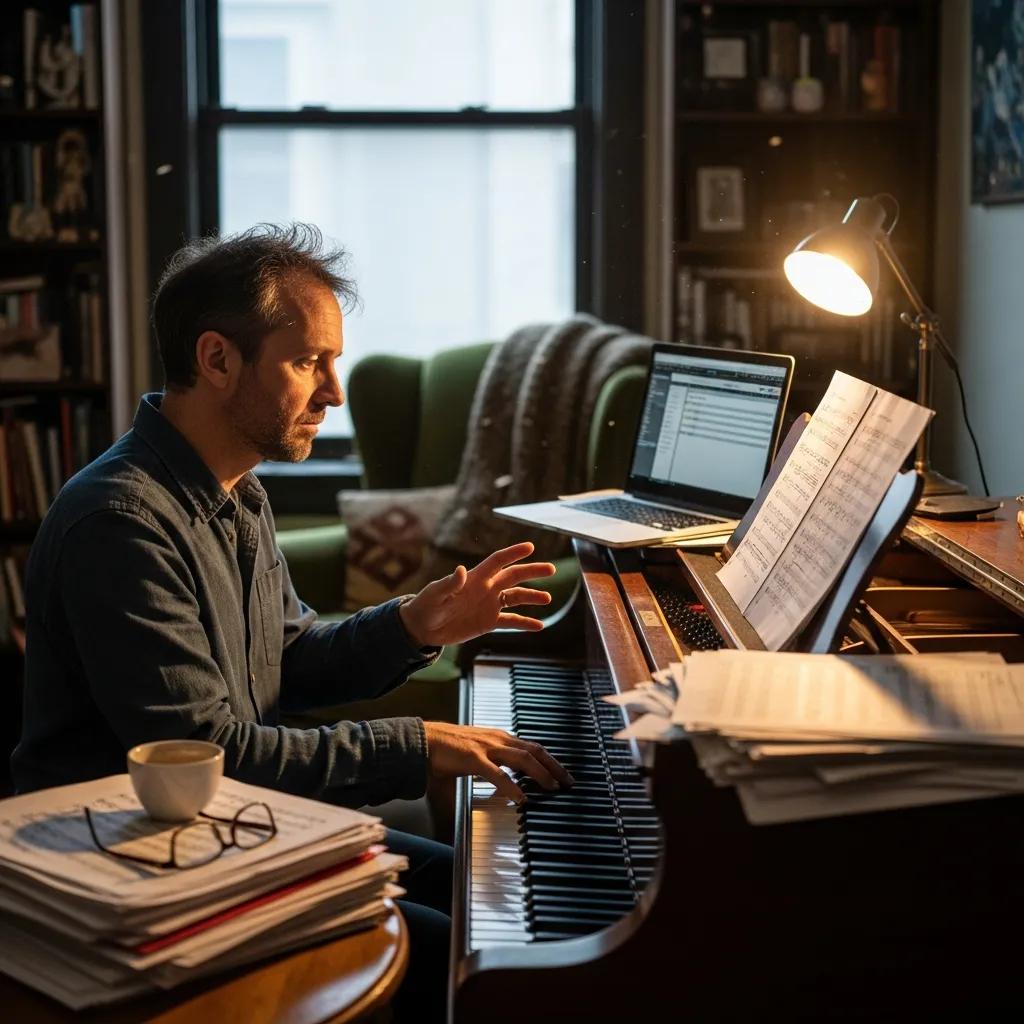
Theme music is a longer or modular musical identity—often a full composition or a set of motifs—that supports storytelling and creates emotional continuity across content and experiences. The mechanism is associative conditioning: recurring thematic material (a leitmotif) links feelings, narratives, and brand values over time. Theme music is valuable when you want to build atmosphere, sustain long-form storytelling, or create a signature sound for podcasts, brand films, events, or series content. Because themes can be adapted into short cues, they also serve as audio logos, stings, and background textures for a cohesive sonic palette.
Theme compositions range from adaptable motifs to full tracks of one to four minutes, with stems and variations prepared for different placements and emotional beats. Composers design material that can be slowed, reharmonized, or reorchestrated to match narrative needs, making theme music a flexible investment for multi-touchpoint campaigns. Many teams then request professional composition help—Cary Reich composes theme music and can work with you to develop longer-form musical identities; schedule a free consultation to review needs and timelines.
How Does Theme Music Build Deeper Emotional Connections with Audiences?
Theme music uses recurring motifs, thoughtful instrumentation, and arrangement techniques to build associative memory and emotional resonance that deepens with repeated exposure. A leitmotif—a concise melodic or harmonic fragment—can cue specific feelings or story expectations whenever it appears, turning music into a shorthand for brand character. Instrumentation and tempo set the mood: strings and pads suggest warmth and trust, while rhythmic elements signal energy and motion. Measure emotional impact with sentiment analysis, qualitative feedback, and time-on-content metrics to see whether the theme strengthens attachment.
Composers also create counter-motifs and sub-themes to express different facets of a brand story, allowing nuanced emotional arcs across episodes, ads, or events. This layered approach makes theme music especially useful for serialized content or flagship campaigns where cumulative association matters. That understanding leads to choosing the right contexts to deploy theme music.
In Which Marketing Contexts Is Theme Music Most Effective?
Theme music shines when storytelling, longer attention spans, or recurring formats allow associations to accumulate—brand films, podcasts, episodic video, and live experiences are prime examples. In a video series, a theme can open and close episodes to reinforce continuity and habitual listening; in podcasts, it carves out identity in a crowded field and helps retention. For events, theme music shapes atmosphere and anchors memorable moments by aligning sonic cues with spatial design. Theme music also supports corporate identity systems where stems and arrangements provide flexibility across presentations, hold music, and consumer content.
When producing theme music, prepare stems and alternate mixes for repurposing and schedule time for iterative alignment with brand storytelling so the material supports narrative arcs. These production choices affect cost, licensing, and timelines discussed in the next section.
Choosing the Right Audio Identity for Your Brand: The Jingle Writer
Jingles and theme music differ in length, purpose, emotional depth, production scope, and typical licensing—all of which influence creative briefs and budgets. Jingles are designed for short-term recall and name inclusion in tight windows; theme music focuses on narrative depth and emotional continuity across longer content. Jingle production tends to be streamlined—with concise arrangements, focused vocal sessions, and mixes optimized for spot delivery—whereas theme music often involves larger arrangements, multiple stems, and iterative scoring. Licensing diverges too: jingles commonly use buyout or work-for-hire terms for repeated commercial use, whereas theme music may require layered rights for series, events, and derivative works.
Below is a concise comparison that highlights these practical differences to help marketers decide.
A quick side-by-side shows how length, goals, and reuse inform asset selection.
Attribute
Jingle
Theme Music
Typical Length
15–60 seconds
1–4 minutes (with motifs)
Primary Purpose
Instant recall, name recognition
Narrative depth, emotional continuity
Best Use-Cases
Radio/TV ads, short digital spots, promos
Brand films, podcasts, events, series
Emotional Depth
Immediate, surface-level
Sustained, layered emotional arcs
Licensing Considerations
Often buyout/work-for-hire
Usage across platforms may require layered rights
How Do Length, Purpose, and Emotional Impact Differ Between Jingles and Theme Music?
Length sets structure: jingles must communicate brand cues in seconds, promoting melodic economy, while theme music has room to develop motifs and harmonic movement over a minute or more. Purpose differs: jingles are tactical assets aimed at immediate recognition and action; theme music is strategic, designed to accumulate meaning and strengthen narratives through repeated exposure. Emotional impact follows: jingles provide a quick, affective nudge, while theme music builds deeper associative bonds and adapts to a range of emotional moments through arrangement changes. These distinctions shape creative briefs, staffing, and timelines.
When briefing either asset, be explicit about placements, audience profile, emotional goals, and reuse so composers can recommend instrumentation, vocal casting, and delivery formats. Clear direction accelerates production and keeps sound aligned with strategy, which in turn informs cost and licensing considerations.
What Are the Cost and Licensing Considerations for Jingles vs. Theme Music?
Cost and licensing are driven by scope, rights, and production complexity. Jingles usually take less time to produce but often require buyouts for commercial reuse; theme music tends to cost more because of longer compositions, multiple stems, and broader usage rights. Common licensing models include work-for-hire (ownership transfer), buyout (one-time fee for specified uses), and royalty-based agreements (ongoing payments tied to usage). Cost factors include arrangement size, live musicians versus produced tracks, vocalist fees, and the territorial or media breadth of rights requested. For precise estimates and contract guidance, consult a composer who can tailor a proposal to your platforms and reuse needs.
Negotiate clear terms that define ownership, permitted media, derivative-work rights, and duration of use to reduce future disputes. If you need an exact quote or help drafting licensing language, schedule a free consultation to review specifics and timelines.
Asset Type
Typical Licensing Models
Factors that Increase Cost
Jingle
Buyout, work-for-hire
Vocal talent, broadcast-ready mix, name usage
Theme Music
Buyout, staged rights, royalties for extended use
Orchestration, multiple stems, episodic rights
Hybrid (stems + audio logo)
Mixed models
Complexity of deliverables, exclusive motifs
How Does Sonic Branding Encompass Jingles and Theme Music? Exploring the Broader Audio Identity
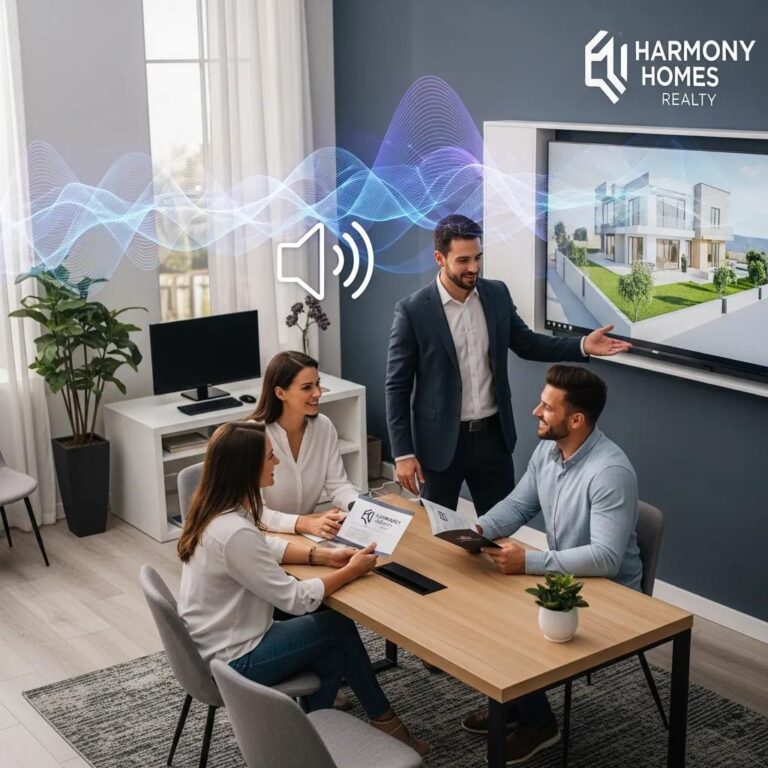
Sonic branding is the system that ties jingles, theme music, audio logos, voice style, and soundscapes into a coherent audio identity that supports visual and verbal brand signals. The principle is systems design: each sonic element plays a role—recognition, attention, or emotion—and a unified palette ensures consistency across touchpoints. A complete audio identity includes short cues for instant recognition, longer themes for storytelling, vocal guidelines, and a sound palette for textures and effects. Building this system requires a sonic style guide that specifies usage rules, stems, and delivery formats for partners and agencies.
Technical details matter too: stem separation, broadcast loudness standards, and clear file naming keep assets usable across platforms and live events. The table below maps common sonic elements to their role in a brand system, clarifying how pieces fit together.
Sonic Element
Characteristic
Role in Sonic Branding
Audio Logo
Short cue (1–3s)
Instant brand cue, high-frequency usage
Theme Music
Motif + stems
Emotional narrative, long-form identity
Voice-over
Tone/timbre guidelines
Verbal personality and trust signal
Sound Palette
Textures/effects
Atmosphere, transition consistency
Stems/Versions
Isolated tracks
Flexible repurposing and edits
What Are the Components of Sonic Branding Beyond Jingles and Theme Music?
Besides jingles and themes, sonic branding includes audio logos, a defined sound palette, voice guidelines, stem libraries, and rules for tempo, key, and dynamic range. Audio logos act as micro-cues that trigger instant recognition; stems and alternate mixes make it easy to reuse material across ads, broadcasts, and live environments without losing identity. Voice guidelines outline acceptable vocal qualities, pacing, and demographic considerations to maintain a consistent vocal identity. A documented style guide ensures partners use approved assets and protects brand equity across campaigns.
Delivering stems and standard file formats supports agile production and helps external agencies maintain consistency. These practical components feed into an integration checklist for rolling out a sonic brand that’s measurable and scalable.
How Can Businesses Integrate Sonic Branding Into Their Marketing Strategy?
Integrate sonic branding with a phased approach: pilot the audio in one channel, measure lift, document guidelines, then scale with consistent stems and monitoring. Start with a high-impact channel—like a flagship podcast or hero campaign—collect qualitative and quantitative feedback, and refine melodic or timbral choices. Next, formalize a sonic guide and share stems with creative partners to ensure consistent application across ads, hold music, and experiences. Finally, scale with governance: assign owners, set KPIs (brand lift, recognition, engagement), and plan refresh cycles tied to campaign cadence.
A checklist reduces risk and improves adoption: define milestones, assign responsibilities, and measure results before full rollout. These steps inform the decision framework that helps brands choose between jingles and theme music for specific objectives.
When Should Your Brand Choose a Jingle or Theme Music? Decision Framework for Audio Identity
Pick a jingle when short-term recall, quick conversions, or high-frequency ad delivery are the goals. Choose theme music when narrative continuity, deeper emotional connection, or recurring formats drive long-term brand equity. In short, if awareness and immediate brand cueing matter, favor a jingle; if storytelling and identity continuity matter, invest in theme music. Budget and timelines also matter—jingles generally have shorter production schedules and simpler deliverables, while themes need more planning and stems for repurposing.
To make the choice tangible for stakeholders, use the table below, mapping business goals to recommended audio assets and the rationale behind each pick.
Business Goal
Recommended Audio Asset
Rationale
Quick recall/awareness
Jingle
Short hook with name/tagline maximizes immediate recognition
Long-form storytelling
Theme Music
Motifs and stems build emotional continuity over time
Multi-channel identity
Hybrid (theme + audio logo)
Combines recall with narrative depth and modular reuse
Limited budget/fast timeline
Short jingle or audio logo
Lower production time and focused scope
What Marketing Goals Align Best with Jingle Use?
Jingles work best for awareness pushes, promotion-driven campaigns, point-of-sale reminders, and short-form digital or broadcast ads where instant recognition speeds response. They perform well when repeated exposure is likely—radio rotations, pre-rolls, or social ad sequences—because repetition compounds recall. Track aided and unaided recall, short-term conversion lifts, and engagement by creative variant to see which hook wins. Production tips: deliver 15-, 30-, and 60-second stems and test vocal or tempo variations across audiences.
Match campaign cadence and channel frequency to jingle deployment to maximize media spend. These tactical applications contrast with the strategic uses of theme music below.
When Is Theme Music the Right Choice for Brand Storytelling?
Theme music is right when your content strategy relies on episodic engagement, cinematic brand films, podcasts, or events that reward cumulative emotional investment and consistent identity cues. A recurring theme serves as a narrative anchor, signaling continuity and deepening listener loyalty across episodes or seasons. Measure success with retention, emotional-response surveys, and time-on-content to see whether the theme elevates engagement and perceived brand value. For production, prepare adaptable stems and cue sheets so the theme can be varied to match the emotional beat while remaining recognizable.
Implementation Phase
Task
Outcome
Pilot
Deploy in one channel and measure lift
Validate emotional response and recall
Standardize
Create style guide and stems
Ensure consistent use and easier repurposing
Scale
Roll out across channels with KPIs
Build cumulative brand equity
This phased approach helps teams deploy audio strategically while monitoring impact and iterating.
How Can The Jingle Writer Help You Create Custom Jingles and Theme Music? Expert Audio Solutions for Your Brand
Cary Reich, The Jingle Writer, offers custom jingles, theme composition, voice-over production, and full audio branding to build cohesive sonic identities that fit each client’s needs. The process starts with a needs assessment and creative brief, moves through composition and iterative review, and ends with delivery of stems, masters, and usage guidance. Our value lies in a brand-first compositional approach—not a one-size-fits-all signature—plus flexible ownership and licensing options to suit different business goals. Typical timelines run two to three weeks, with expedited options available in as little as three to five business days for urgent projects. Cary collaborates with national and local clients to align sound with strategic goals.
Engagement includes consultation on placement, licensing, and repurposing so teams understand both creative and legal considerations. To get a tailored estimate and next steps, schedule a free consultation to discuss scope, timeline, and ownership preferences.
What Makes Cary Reich’s Approach to Jingle and Theme Music Composition Unique?
Cary’s process puts your brand first, shaping music to match your voice rather than applying the same stylistic stamp to every project. That brand-first philosophy produces custom motifs and vocal choices that reflect audience and channel needs, delivering immediate impact for jingles and lasting suitability for themes. The workflow emphasizes collaboration and clear deliverables—stems, alternate mixes, and style guides—so marketing teams can repurpose assets without losing identity. Fast-turnaround options and flexible licensing let brands align production and usage with campaign realities.
This practical, client-centered approach smooths integration into existing campaigns and gives teams the operational flexibility they need for audio-led initiatives.
How to Schedule a Free Consultation for Your Brand’s Custom Audio Needs?
To start, schedule a free consultation to cover objectives, timelines, target channels, and licensing preferences so we can recommend the right solution—jingle, theme, audio logo, or a hybrid. The session includes a needs assessment to clarify deliverables (stems, masters, cue sheets) and proposed licensing models. You can also discuss expedited delivery and ownership trade-offs so you understand the cost, speed, and rights implications. Book a free consultation to receive a custom proposal that aligns with your creative and business goals.
This planning conversation makes sure your creative choices align with measurable outcomes and that deliverables are ready for integration into your marketing stack.
Frequently Asked Questions
What are the benefits of using both jingles and theme music in a marketing strategy?
Using both gives you a complete audio toolkit. Jingles deliver immediate recognition and drive short-term actions; theme music builds emotional depth and long-term loyalty. Together, they let brands grab attention quickly while also growing deeper relationships over time.
How can brands measure the effectiveness of jingles and theme music?
Measure jingles with aided and unaided recall, short-term conversion rates, and digital engagement metrics. Measure theme music with qualitative feedback, sentiment analysis, listener retention, and time-on-content. Brand lift studies and controlled tests, with and without audio assets, help isolate the impact.
What role does audience targeting play in the creation of jingles and theme music?
Audience targeting is essential. It shapes style, tone, and content—melodies, lyrics, instrumentation, and vocal choices should reflect your listeners’ preferences and behaviors. Jingles often aim for broad, immediate appeal; themes usually require subtler arrangements tailored to the audience’s emotional landscape.
Can jingles and theme music be adapted for different platforms and formats?
Yes. Jingles are naturally versatile and easy to edit for radio, TV, social, and digital ads. Theme music can be adapted into shorter cues, stingers, and background textures. Composers typically deliver multiple stems and versions to preserve consistency across channels.
What are some common pitfalls to avoid when creating jingles and theme music?
Common mistakes include ignoring audience preferences, overcomplicating melodies, and losing alignment with brand identity. Jingles should be simple and memorable; themes should evoke the right emotions without unnecessary complexity. Test assets with target audiences and refine before a full rollout.
How can brands ensure consistency in their sonic branding across different campaigns?
Create a sonic style guide that details the use of jingles, themes, audio logos, and other audio elements. Include specifications for tone, instrumentation, and emotional cues, and maintain a shared library of approved assets. Regular collaboration and training with creative teams help keep the application consistent.
Conclusion
Knowing the distinct roles of jingles and theme music helps you build an audio identity that resonates. Jingles drive instant recognition; theme music deepens emotional connection and continuity. When used together in a thoughtful sonic system, they boost both immediate marketing impact and long-term brand equity. To explore custom audio solutions for your brand, schedule a free consultation today.
CRCary Reich
Jingle Composer & Founder
Writing and producing jingles since 1985, for national brands like Budweiser, Firestone, Gold's Gym and the YMCA, plus hundreds of local businesses, stations and franchises.